Artificial Turf Guide in Phoenix, AZ
Planning artificial turf in Phoenix, AZ starts with the way the property is used and the change you want to make. These considerations help connect the service scope with the condition of your home, the materials involved and any related improvements.
Design the Green Area in Phoenix, AZ
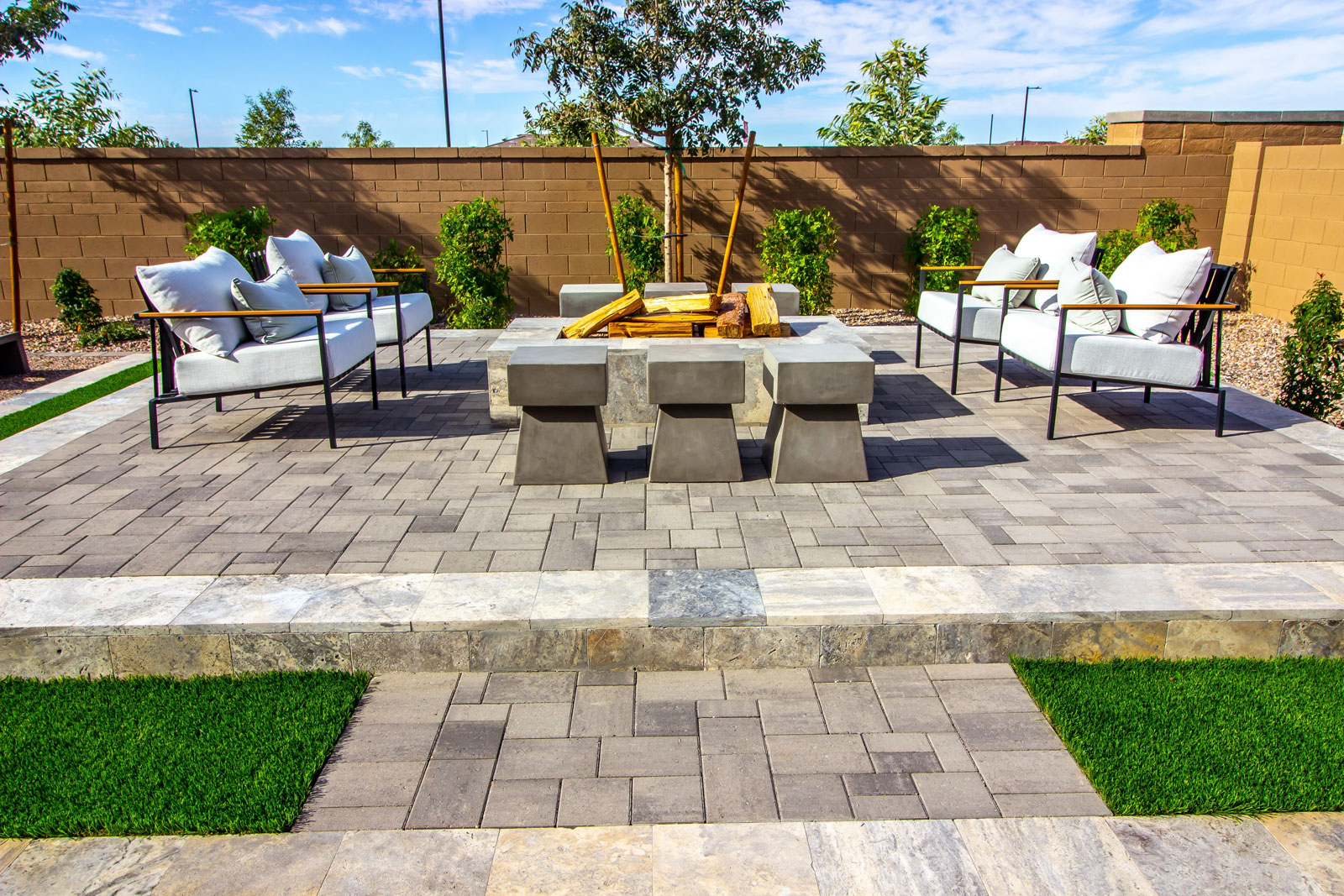
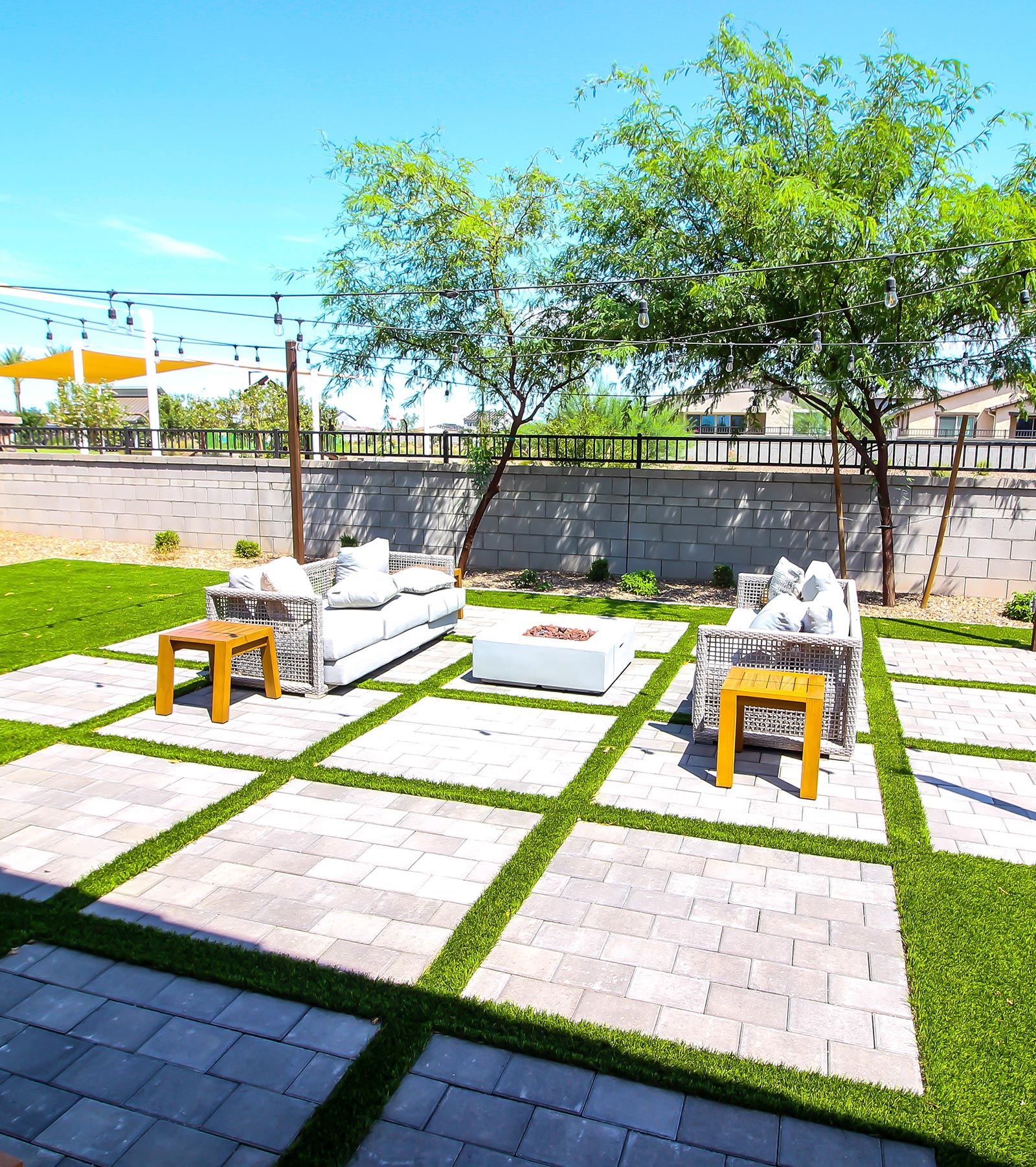
Artificial turf should fit the way the yard is used. Consider play, pets, seating and the route between doors and outdoor features before choosing the layout. Paver installation can define paths and borders, while patio improvements help establish where gathering areas belong. Describe the intended relationship between these surfaces so the turf is not planned independently of the rest of the yard.
Review the Existing Ground in Phoenix, AZ
Preparation affects the finished turf area. Existing surfaces, grading and the way water moves through the yard should be reviewed with the proposed footprint. If turf is being replaced, assess the current base rather than assuming it is ready to reuse. Discuss the edges, surrounding materials and areas needing removal so the estimate explains what happens beneath and beside the visible green surface.
Choose Details Around Use in Phoenix, AZ
Turf appearance, seams and borders should be discussed with the practical use of the space. Share the areas where furniture, pets or frequent foot traffic are expected. Ask about the care information for the selected product and distinguish installation work from ongoing maintenance. The estimate should identify the dimensions, preparation and finish connections included rather than simply describe the project as a complete yard transformation.
Artificial Turf Coordination in Phoenix, AZ
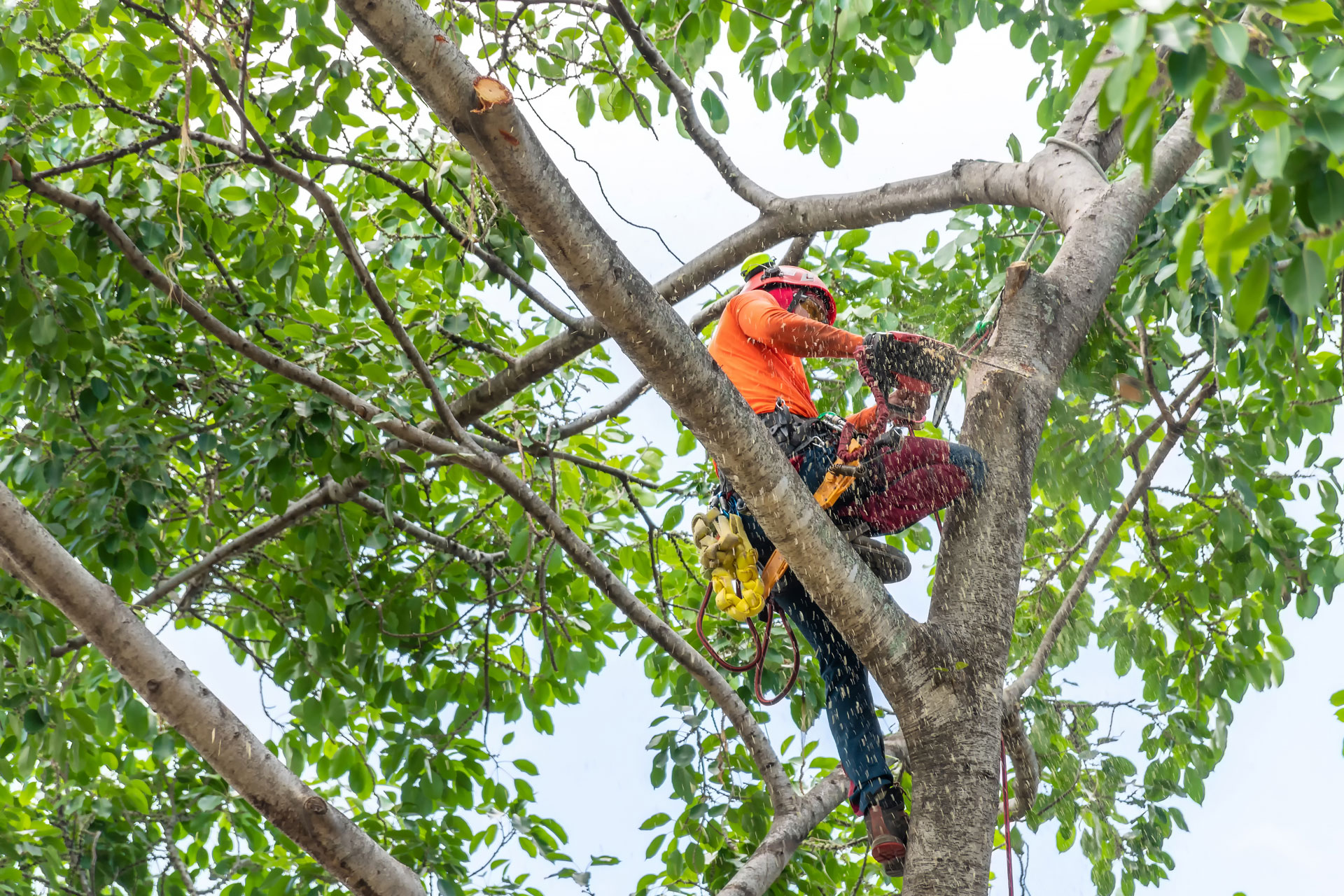
Related work should be reviewed before the installation or service sequence is confirmed. You can explore paver installation in Phoenix, AZ, patios & pergolas in Phoenix, AZ and tree trimming in Phoenix, AZ to understand which additional tasks may connect with this project. These are separate service categories, so tell the team which ones you want included in the discussion instead of assuming they are automatically part of one estimate.
Keep photographs and a short written list of your priorities together. Include the areas to retain, any products already selected and the access available around the work. If the property changes between the estimate and the planned work, share those changes so the scope can be reviewed. The contact page and estimate form provide a place to start that conversation.